Commercial Interior Design Only:
FINCH no longer takes residential interior design projects. That’s not a line buried in our FAQs, it’s one of the most deliberate decisions we’ve ever made as a business. And it made us significantly better at what we do: Creating beautifully considered spaces for bold brands across the world. For years we worked across both worlds: commercial and residential, restaurants and private villas, airport lounges and luxury apartments. We were good at it. But somewhere along the way, we realised that trying to excel at both was actually holding us back from being truly exceptional at either.
The moment it became clear
I asked Emma Stinson our founder, why she became an interior designer, and a snippet from her answer really stuck with me in our year-end strategy meeting:
“There’s a specific feeling I get when I’m walking through Dubai Airport, or Barcelona, or Mumbai, and I pass through a space we designed. People are sitting in it, moving through it, ordering coffee in it. They have no idea we created that environment, and that’s exactly as it should be. The space just works. It breathes. It serves its purpose beautifully and I love this, I definitely didn’t become a designer for the money, it was for this feeling”.
With residential work, once the project is finished, it’s done. The design becomes someone’s home, which is wonderful, but it’s private. You can’t revisit it, can’t see it evolve, can’t watch thousands of people interact with it daily. For us, that ongoing relationship between a space and the people who use it is the entire point. Commercial design gives us that. Residential, by its nature, doesn’t.
What residential taught us (the hard way)
We’ve had some genuinely beautiful residential projects, developments for master developers, including The Palace by Emaar at Dubai Hills, and private villas for clients we have enormous respect for. We’re proud of that work. But residential design is a different game. And not always in a good way.
Every residential project is deeply personal to one person or one family. That creates a client-designer dynamic that has fundamentally changed in the age of Pinterest and Instagram. Where designers used to be hired to inspire and create, to deliver something truly unique, the rise of social media has slowly shifted that relationship. Too often, clients now want direction and implementation rather than creative leadership. You end up designing with one hand on the wheel.
That’s not a criticism of residential clients. Emotional investment in your home is entirely rational. But it does mean the space for genuine creative thinking gets compressed in ways that commercial work simply doesn’t allow. And I totally get it, even with my own house, I would be a nightmare for any designer, even as someone who works in the field. I want what I want, regardless if it’s inherently possible or functional. I change my mind on my outfit three times a day, I know I would be a disaster when it comes to changing my mind on my bathroom tiles.
Commercial interior design is a different discipline entirely
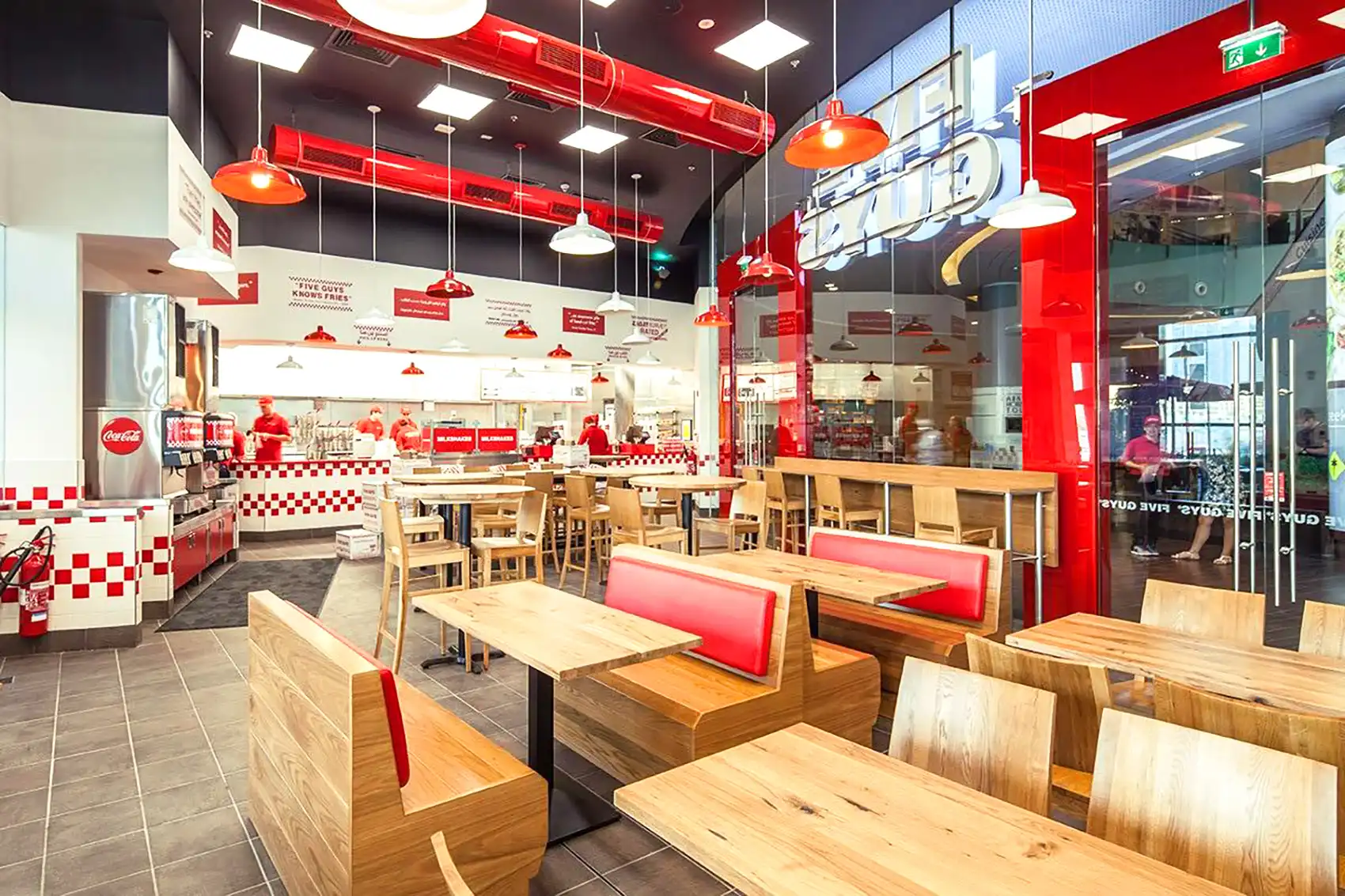
The beautiful thing about commercial interior design is that we think about things most people would never consider before we even pick up a pencil. Acoustic ratings. Longevity. Wellness. Fire and life safety. Functional flow. Optimal space planning. Revenue per square metre. Customer dwell time.
These aren’t constraints, they’re the foundations. We build creativity on top of operational intelligence, not instead of it. A restaurant that looks extraordinary but seats ten fewer covers than it should isn’t a success. A retail space that photographs beautifully but disrupts customer flow isn’t doing its job. We know how to hold both things at once.
In residential design, the brief often starts with “pretty”. In commercial design, “pretty” is the reward you get for solving everything else first. That distinction shapes everything about how we work.
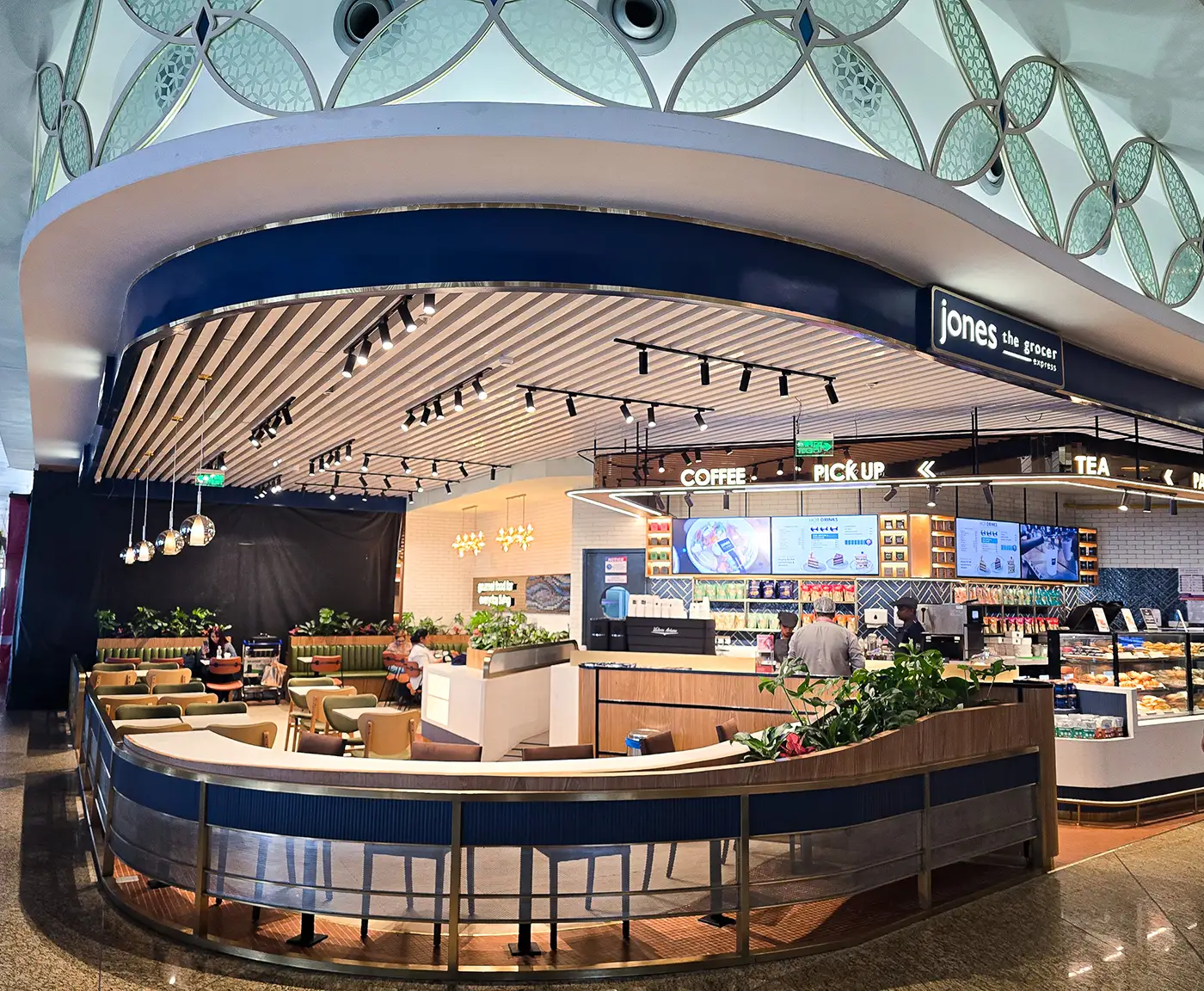
And this comes with 20 years of lessons learned in the industry. We recently took on a project in Seville Airport, the space plan was presented to us from the client side, something a young designer mocked up, it was good, it worked, it had all the functions of a workable space you would find on any template in any book. Just one problem, the book of floorplans for restaurants don’t consider airports and most importantly, suit cases, carry-ons, buggies and prams. That’s where the expertise and experience comes in for us.
What focus did for the business
Choosing to specialise wasn’t just a creative decision, it was a strategic one. When you stop trying to serve everyone, everything gets sharper. They say jack of all trades, master of none. I get that, which is why we said, let’s be the master of creative, functional commercial interior design.
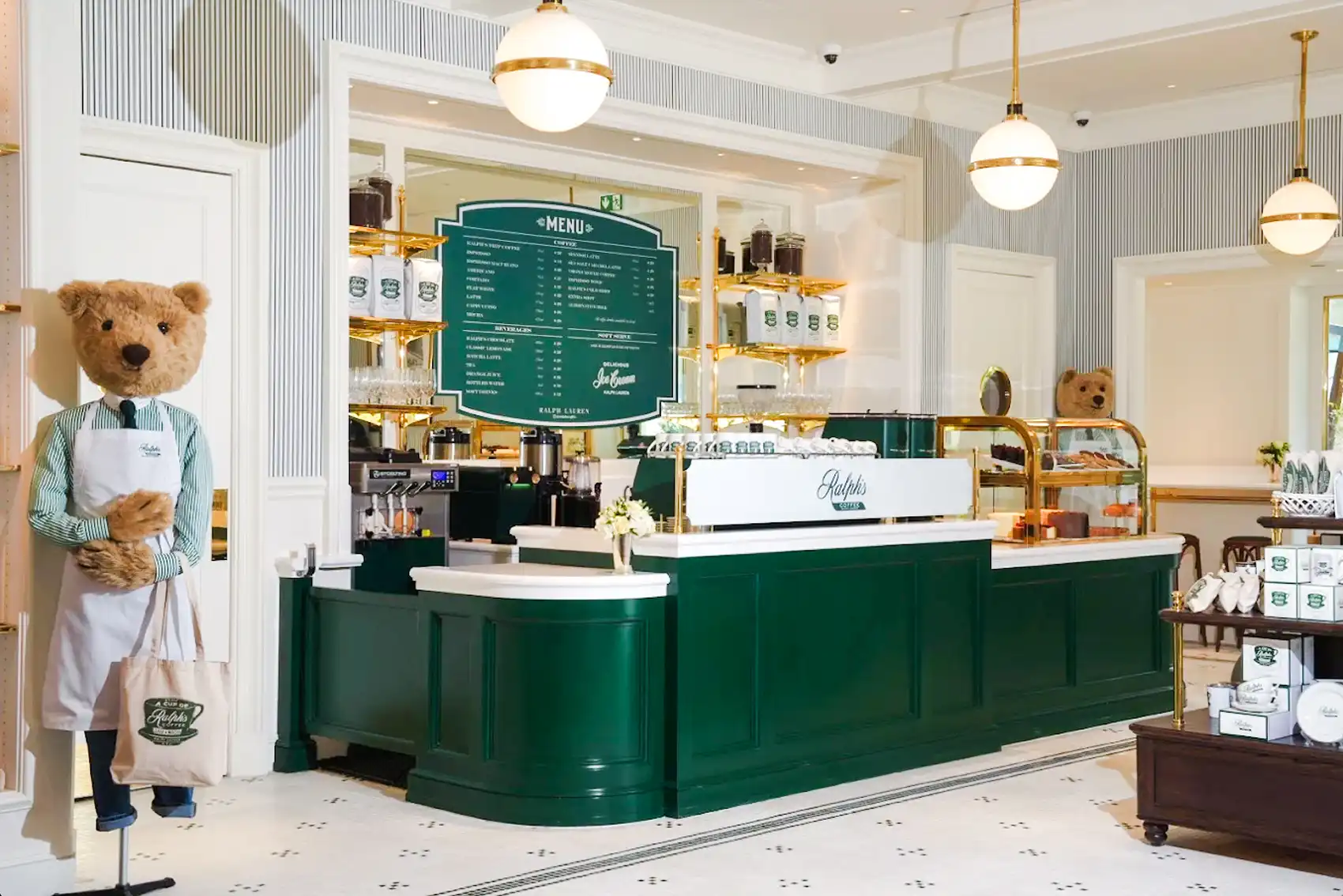
The payoffs went beyond the work itself. Our team became happier because they were working on projects that genuinely excited them. Our systems got cleaner because we were solving the same category of problem, just in different contexts. Our positioning became clearer, when someone needs a commercial interior designer in Dubai, they don’t have to wonder whether we’re really a residential firm moonlighting in commercial. We’re not. This is all we do and we’re bloody great at it. Just ask Wagamama, The Hilton Hotel Group, Marriott, Five Guys, Bloomingdales or Ralph Lauren. Maybe not best to ask Ralph directly himself, I still think I am yet to be forgiven for trying to sneak a questionable new pattern into our Riyadh store.
The quality of our work improved too, because expertise compounds. Every restaurant project teaches us something that applies to the next. Every airport lounge refines our thinking on flow, materiality, and brand experience. You can’t build that depth if you’re context-switching between commercial and residential constantly
Who we work with today
Today, FINCH works exclusively with commercial clients across four key sectors:
– Restaurant groups and F&B operators
– Hospitality and hotel brands
– Retail operators and brand flagships
– Airport concessionaires and travel retail brands
If you’re building, launching, or repositioning a commercial interior, somewhere that has to perform commercially, not just look good, that’s exactly what we’re built for.
Final Thoughts
Stopping residential work was one of the best decisions FINCH ever made. Not because residential design isn’t valuable, it absolutely is and there’s some amazing studio’s working in that sector, but because trying to do everything well is usually the fastest way to do nothing exceptionally.
We’re commercial interior designers. That’s it. And because of that, we’re bloody good at it.
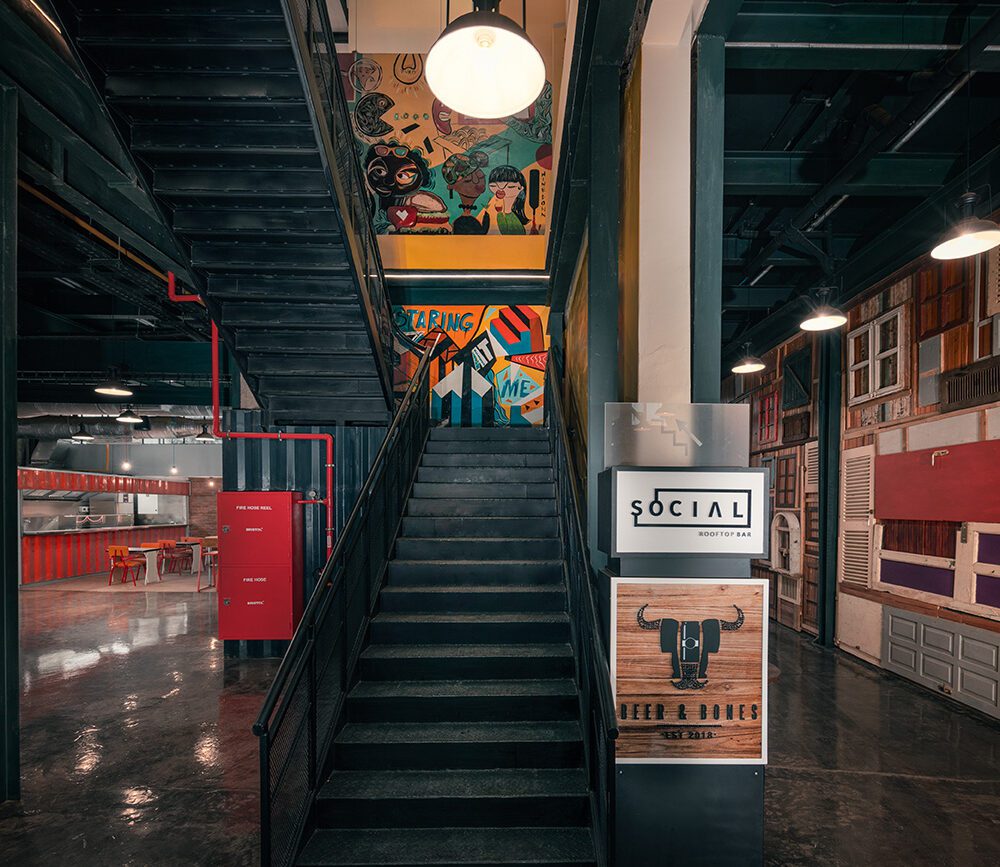
And there’s one more thing: the next time I’m picking out furniture for a hotel lobby or a restaurant somewhere in the world, I’ll get to walk in months later and watch real people enjoying a space we created. That never gets old.
Frequently asked questions
Do you ever make exceptions for residential projects?
No. The decision to focus exclusively on commercial interior design was deliberate and permanent. It allows us to go deeper, move faster, and deliver better outcomes for the clients we work best with.
What’s the difference between commercial and residential interior design?
Commercial interior design prioritises operational performance, brand experience, customer flow, and revenue generation alongside aesthetics. Residential design is centred on personal taste and the specific needs of an individual or family. The processes, constraints, and success metrics are fundamentally different.
Can you recommend someone for a residential project in Dubai?
We’re always happy to point people in the right direction. Get in touch and we’ll do our best to suggest the right fit for your project.
How long has FINCH been working in commercial design in Dubai?
We’ve been based in Dubai for over 20 years, working across commercial interiors throughout the region and internationally. Our portfolio spans restaurants, hospitality venues, retail spaces, and airport travel retail across the Middle East, Europe, and Asia. Our founder Emma Stinson is an internationally acclaimed designer in the field.