
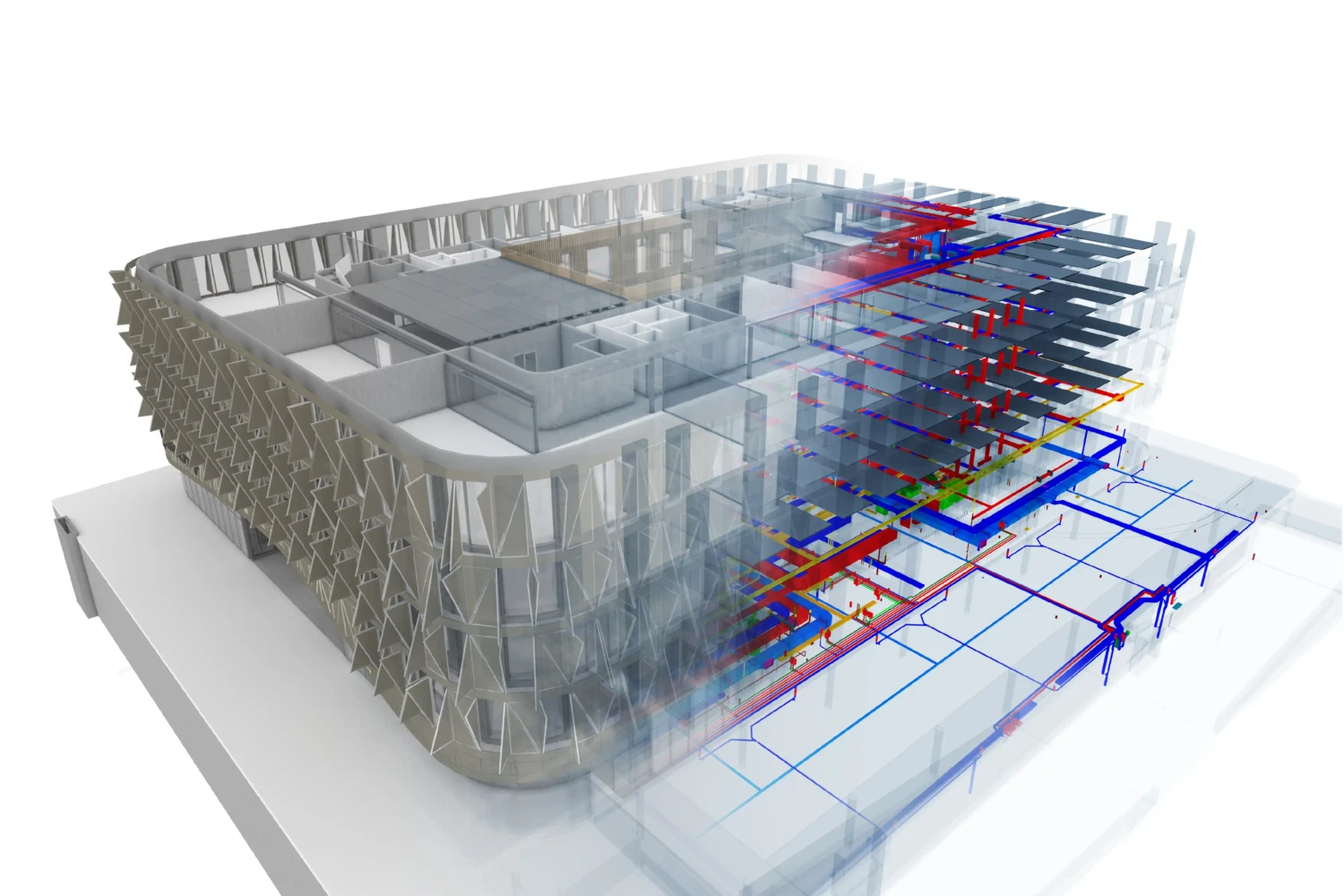
Fail to prepare, prepare to fail. When it comes to a commercial fit-out, the biggest mistakes often happen before construction even begins. After nearly 20 years in the interior design and fit-out world, we know that the true pain points are rarely tenant coordinators, approvals, or even the design phase. More often than not, it is the fit-out process itself.
A successful fit-out can be smooth, efficient, and even enjoyable. A poorly managed one can drain budgets, stretch timelines, and create major stress before you have even opened your doors. Here is our expert fit-out guide to help you avoid common pitfalls and set your next project up for success.
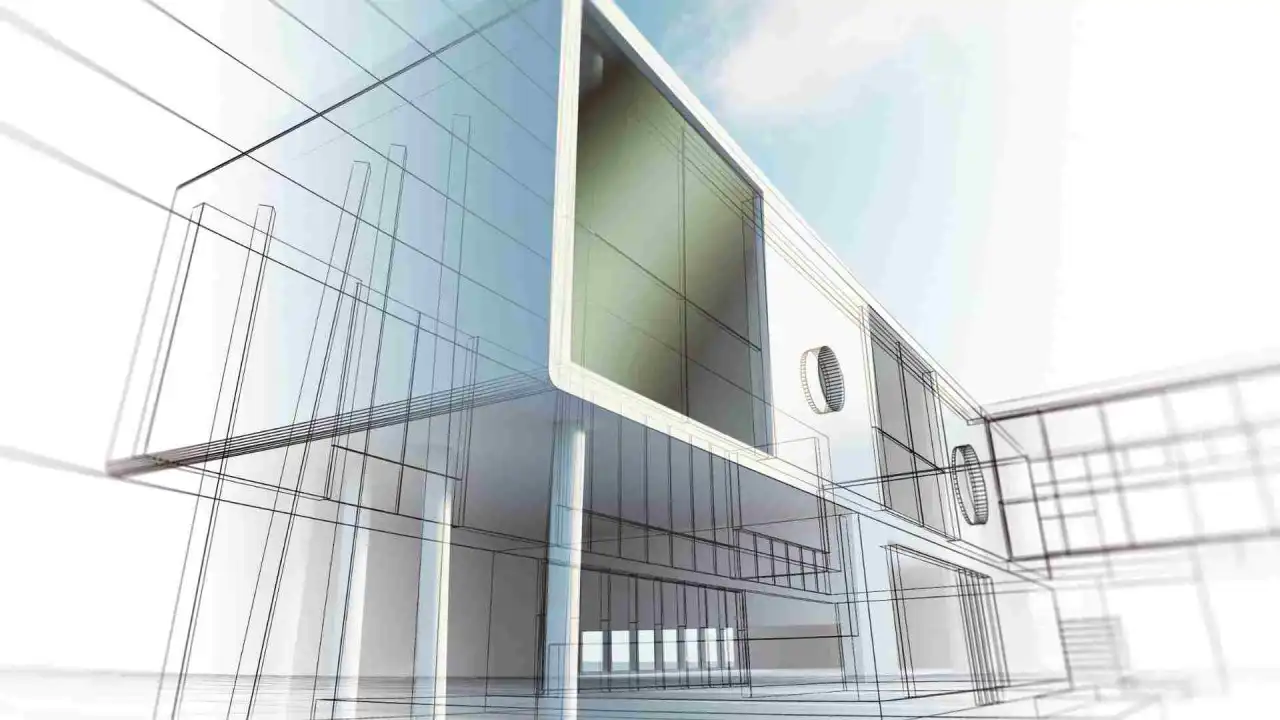
Appoint Your Interior Designer Before Leasing
One of the most common mistakes is committing to a site before you have a clear design direction. This leads to rushed decisions, compromised layouts, and missed opportunities. Our fit-out guide has identified the following areas where you can save yourself a lot of stress.
Work with your designer concept and operational plan first.
Always have your designer inspect potential sites before signing. This protects you from costly surprises such as MEP limitations, poor infrastructure, or layout restrictions.
A designer can also help you cut through sales talk from agents and ensure documentation is in place. See Dubai Municipality guidelines for compliance.
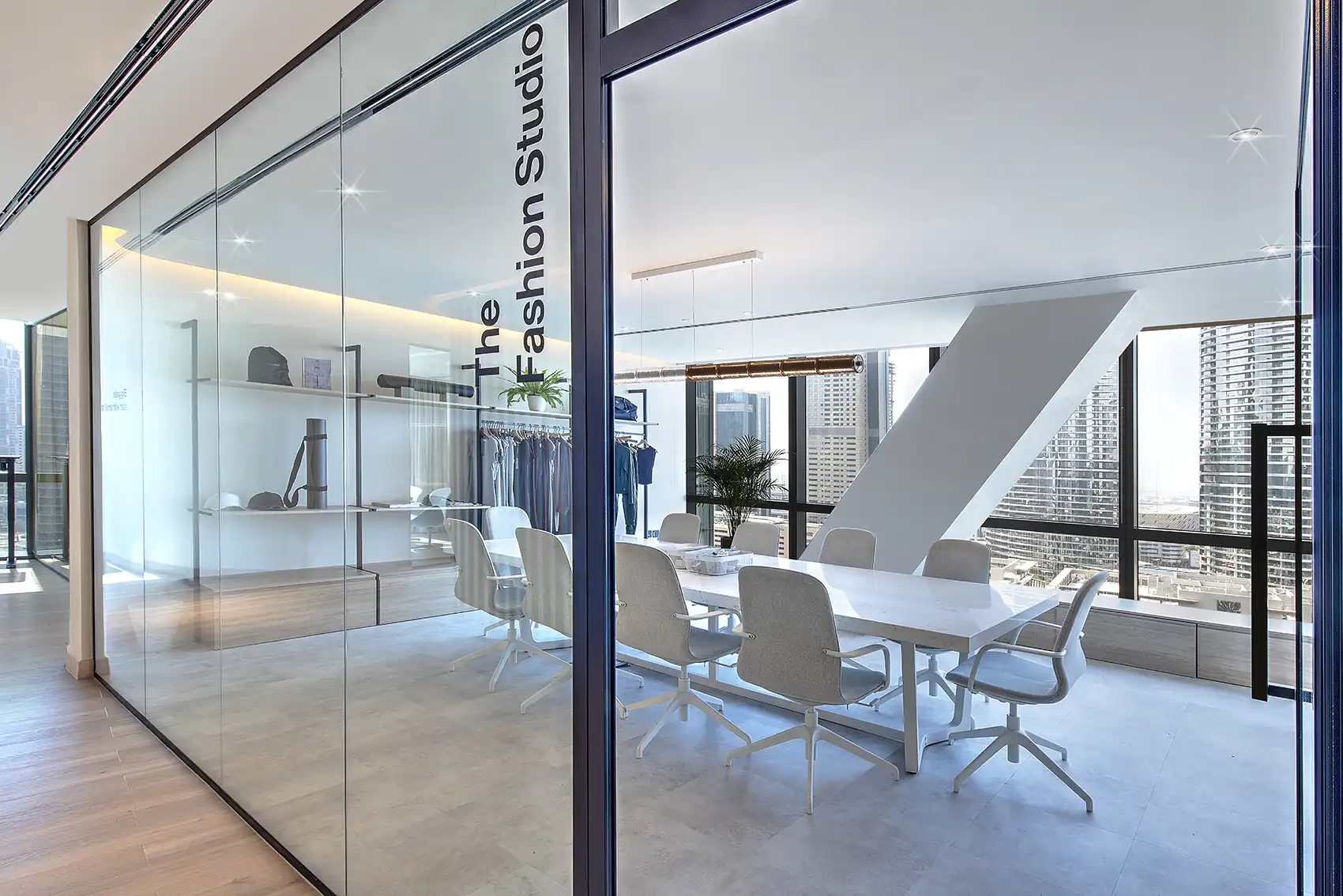
Set a Realistic Fit-Out Budget Early
Not being transparent about your budget is one of the fastest ways to derail a project. Without clear parameters, designers are forced to guess, and that can lead to costly redesigns later.
Share your real budget upfront so the design can be developed within realistic boundaries.
Designers can advise on where to invest for maximum ROI. For example, efficient air conditioning and extraction are far more critical than an Instagram-friendly wall.
Early transparency avoids scope creep and unexpected costs. Explore our LC Headquarters case study to see how budgeting shaped success.
Why Competitive Tendering Protects You
Whenever possible, run a competitive tender for the fit-out stage.
It ensures you get the best price for the required quality.
Contractors know they are being compared fairly, on both price and capability.
It prevents you from being tied to one contractor without alternatives.
Designers can advise on areas where client-sourced elements (such as lighting or furniture) could stretch your budget further. Learn more from RICS tendering standards.
- We believe that a clear tender and fit-out guide on a project lead by the designer is the best way to protect your interests.
Fit-Out Contracts: Clauses Every Client Needs
Contracts are your safety net. Without strong terms, you may face late penalties, disputes, or unfinished work.
Always include penalties for missed delivery times. Late opening penalties (LOPs) from landlords can be very costly.
Tie payment milestones to clearly defined progress stages, approved by the designer.
Lock in a procurement schedule early, especially for long-lead items.
Include liquidated damages for delays without just cause.
Procurement Planning for Long-Lead Items
Delays often come from procurement, not construction. Items like imported finishes, lighting, and kitchen equipment can disrupt your timeline if ordered too late.
Identify long-lead items early and order them first.
Where possible, source locally to reduce lead times and shipping costs.
MEP & Design Coordination Essentials
Even the best design will fail if the mechanical, electrical, and plumbing works are not aligned with it.
Ensure your designer signs off on all MEP layouts.
Approved design drawings should be issued to the MEP team early.
Designers should approve every material and specification before purchase to prevent hidden value engineering.
At FINCH, we create a detailed control sample board as the baseline for tendering and contractor approvals.

Building a Collaborative Fit-Out Team
Your designer, contractor, suppliers, and consultants are not opponents. They are your project team, all working towards the same goal: a successful opening.
Encourage collaboration over competition.
Keep communication open and frequent.
The smoother the teamwork, the stronger the final outcome.
The Reality of the Fit-Out Timeline
Remember, around 70 percent of a fit-out is unseen work. Clients often panic when the space looks bare in the early stages, not realising that the visible finishes come together at the end. The design elements you love most are usually in the final 30 percent of the build. Patience here makes all the difference.
FAQ: Fit-Out Projects Explained - With Our fit-out guide
-
What is the biggest mistake clients make in a fit-out
The most common mistake is signing a lease before consulting an interior designer. This often leads to unexpected costs and operational compromises.
-
Should I hire a designer before signing a lease?
Yes. Designers can inspect sites, identify risks, and ensure the space suits your business operations before you commit.
-
How can I avoid delays in a fit-out project?
Plan procurement of long-lead items early, enforce strict contract clauses, and ensure MEP and design teams coordinate closely.
-
What are late opening penalties (LOPs)?
LOPs are fines from landlords for missing agreed opening dates. They can be severe, which is why penalty clauses in contracts and strong project management are essential.
-
How long does a fit-out take?
This depends on the project size and complexity, but retail and F&B fit-outs typically range from 10 to 16 weeks when managed correctly.
-
What is the basis of knowledge for this Fit-Out Guide
Our team and founders have been delivering interior design projects in Dubai, the MENA Region and across the globe for over 20 years and these are the main issues that always creep up.
Final Thoughts and Next Steps
The fit-out process is where great ideas turn into reality. With the right preparation, transparency, and teamwork, you can avoid the mistakes that kill projects before they begin.
At FINCH, we have helped brands across Dubai, Saudi Arabia, and beyond turn empty shells into thriving restaurants, retail stores, and hospitality spaces. If you are planning a new project, speak to us before you sign that lease or bring in a contractor. We will help you protect your investment, avoid delays, and open with confidence.