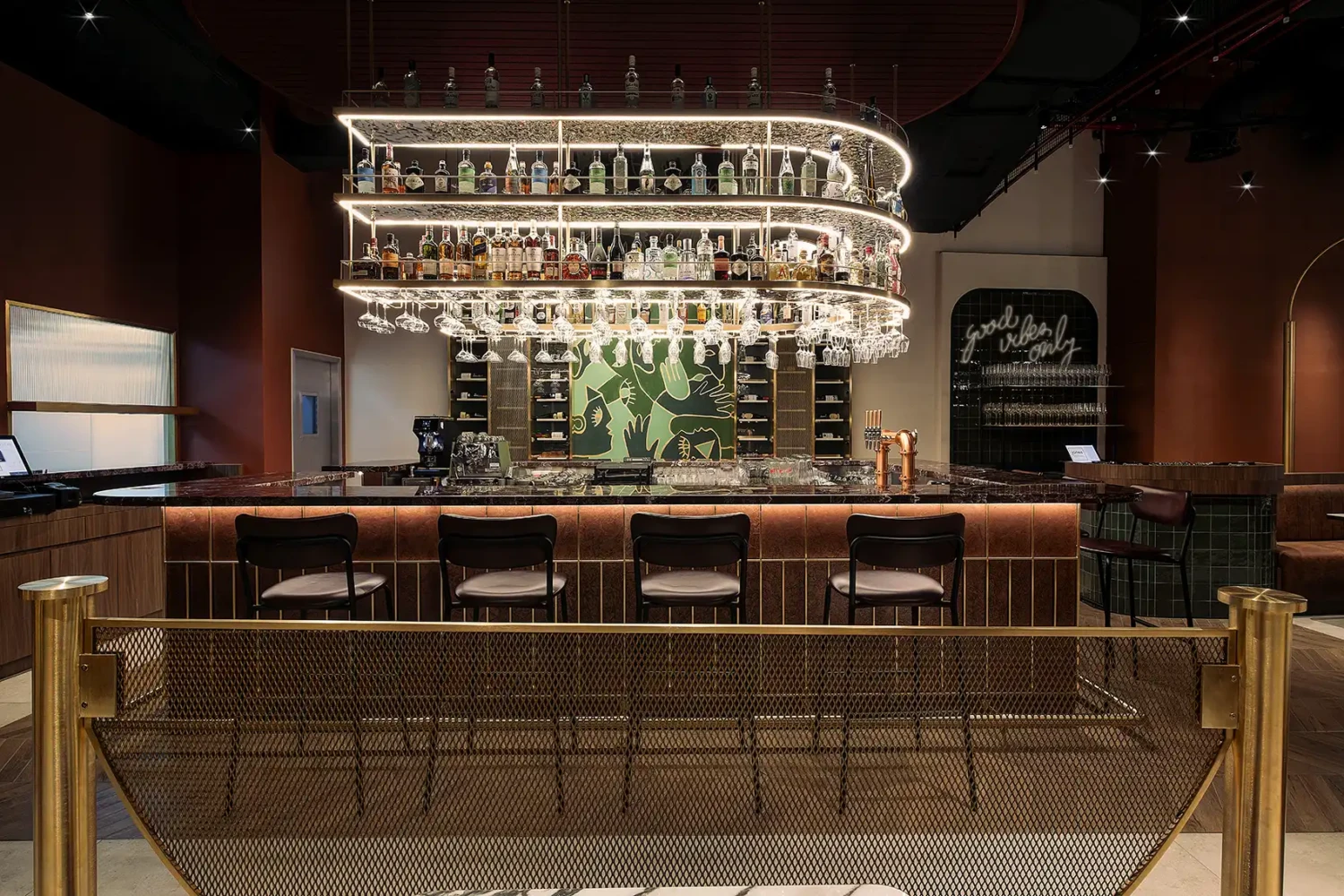
Our Restaurant Interior Design Specialists Share the Top 5 Things to Consider When Opening Your Restaurant
Taking 14 years of experience over 150 restaurants and bars and condensing it to our list of 5 things to consider when opening your next restaurant.
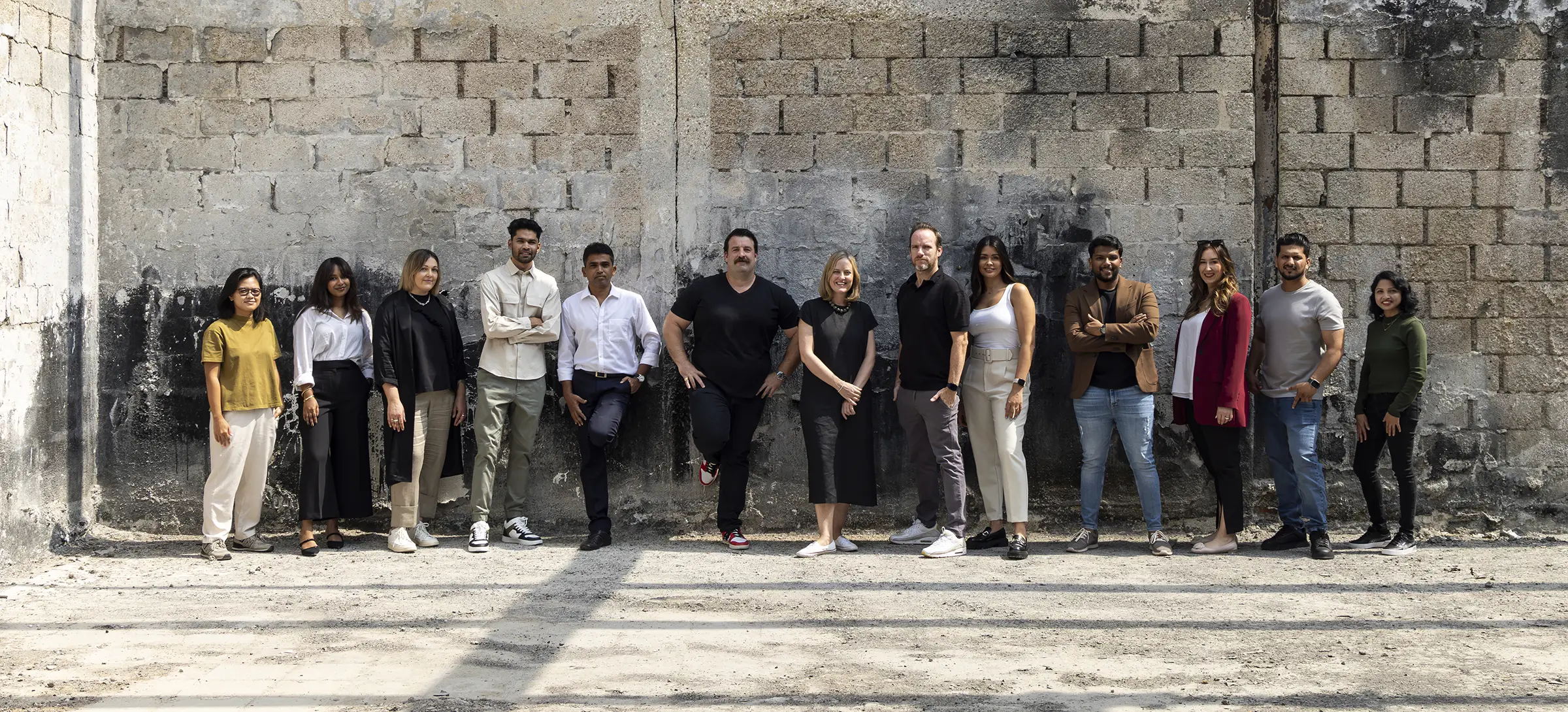
The FINCH Team:
At FINCH, our restaurant interior design specialists have designed and delivered over 150 restaurant projects across 14 years, from boutique dining concepts to large-scale international brands. This depth of experience means we understand what it really takes to bring a restaurant concept to life, creatively, operationally, and commercially.
Not Just Pretty Colours and Furniture
Designing a restaurant is far more than picking colours, lights, and furniture. At FINCH, our restaurant interior design specialists approach every project by understanding the business model, the guest journey, and the operational flow first, because great design only works when it serves a great plan.
Here are the top five things our team believes every restaurateur should consider before starting a restaurant interior design project.
The foundation of any great restaurant design always comes back to the business plan. You’d be surprised how often this is overlooked. The business plan determines not just what the restaurant looks like, but how it functions day to day.
Ask yourself:
Will the restaurant operate all day, or just for evening service?
How many covers are expected per service?
Will dishes be prepared fresh daily or in larger processed batches?
How large is the menu, and are there specialist cooking requirements?
Each of these questions has a direct design implication.
Service hours affect lighting design, ambience, and energy control systems.
Cover count dictates spatial planning, seating density, and guest circulation.
Fresh food vs. frozen impacts storage capacity, delivery access, and kitchen size.
It’s a domino effect: a single decision in the business plan can alter the entire layout and flow. That’s why our restaurant interior design specialists never begin sketching until they fully understand your business model and financial vision.
Who Is Your Customer?
Every design choice should start with the guest. Understanding who will walk through your doors determines everything from seating style to soundtrack.
Is your restaurant aimed at families, business diners, or trend-led foodies? Each demographic expects a different pace, comfort level, and experience.
Our specialists develop customer personas early in the process, mapping out your target audience’s behaviour, values, and expectations, to ensure every design element, from the layout to the materials, reflects them.
What Do You Want Them to Feel?
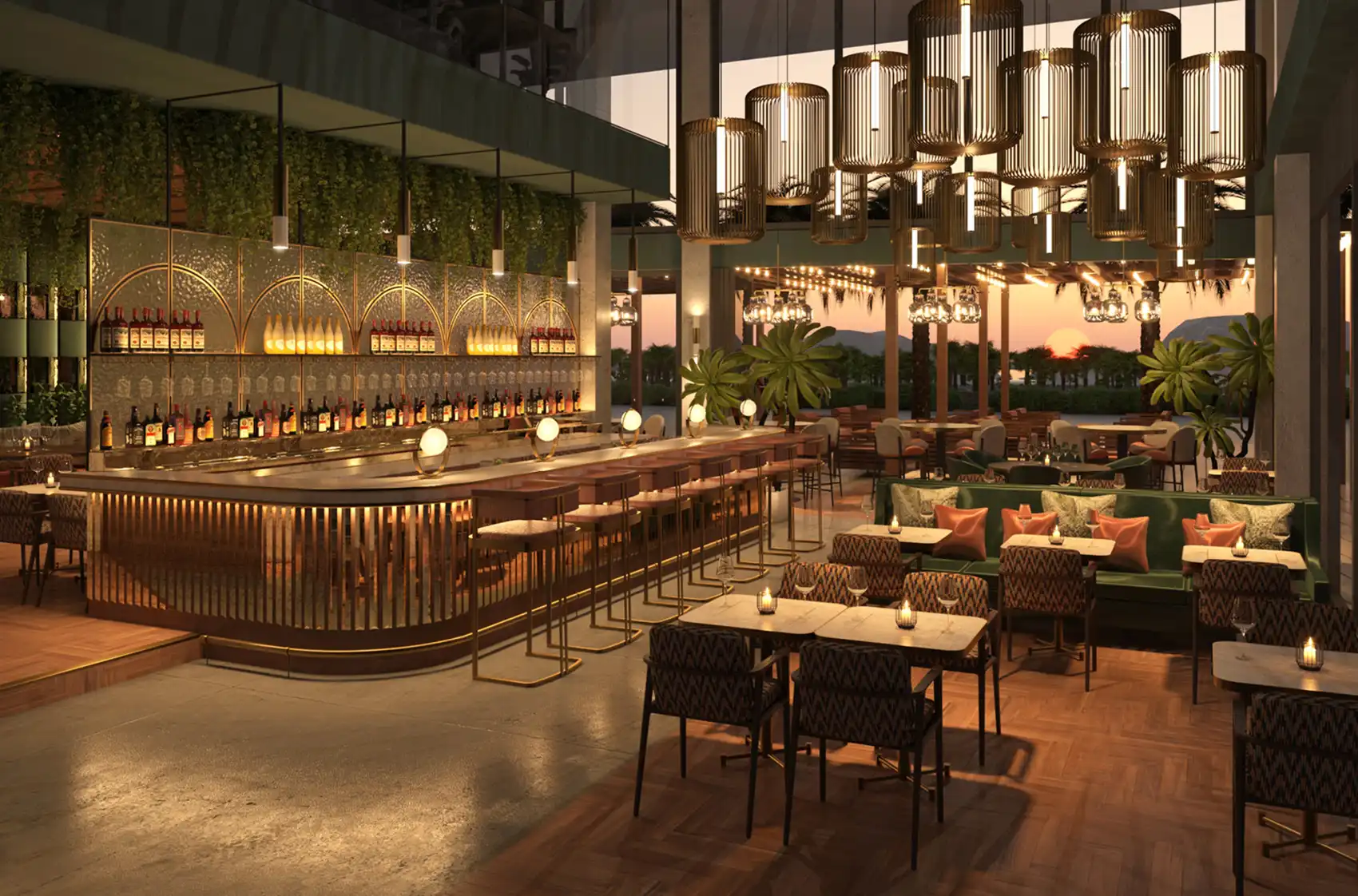
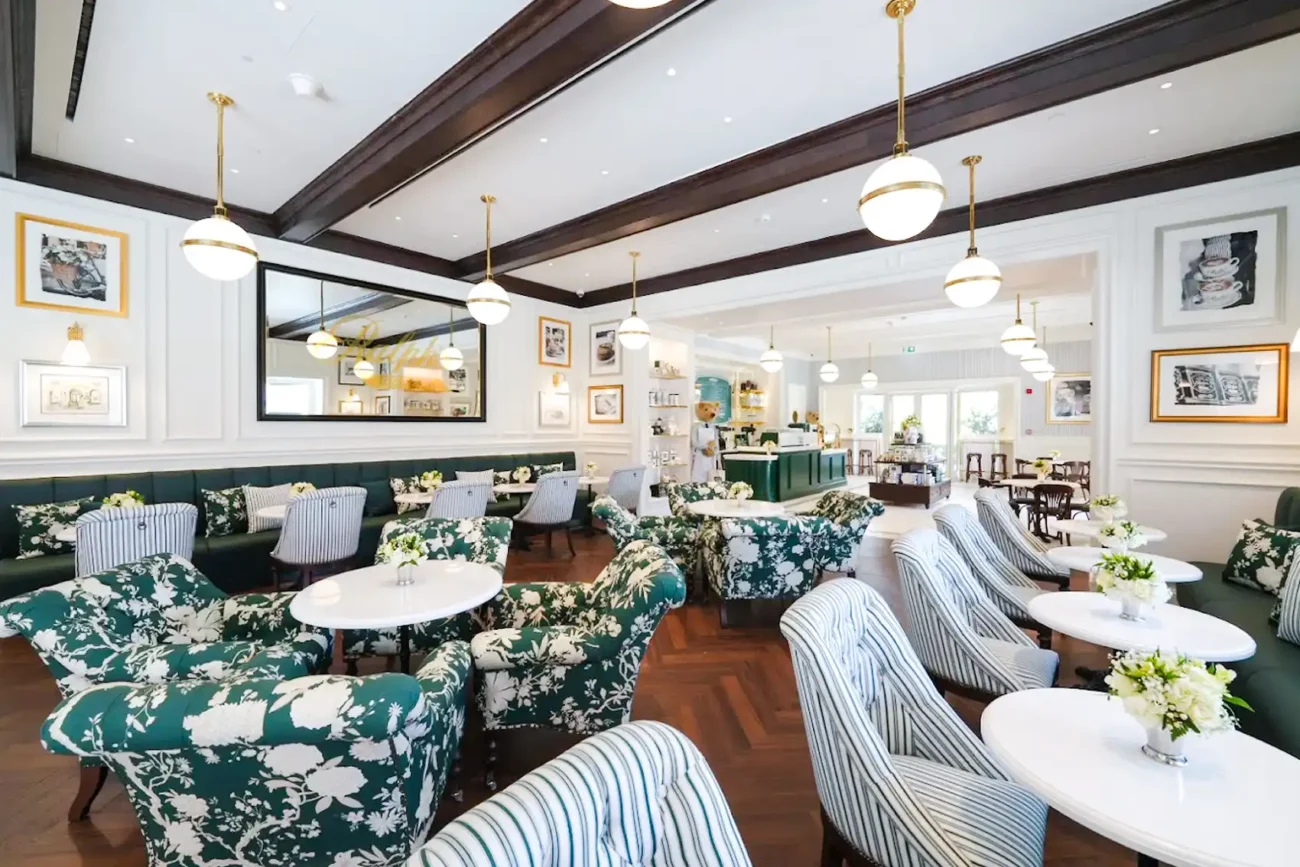
Restaurants are emotional spaces. People go out to feel something, relaxed, inspired, excited, comforted. As restaurant interior design experts, we translate those feelings into physical form: lighting that warms, materials that invite touch, music that complements mood.
For example:
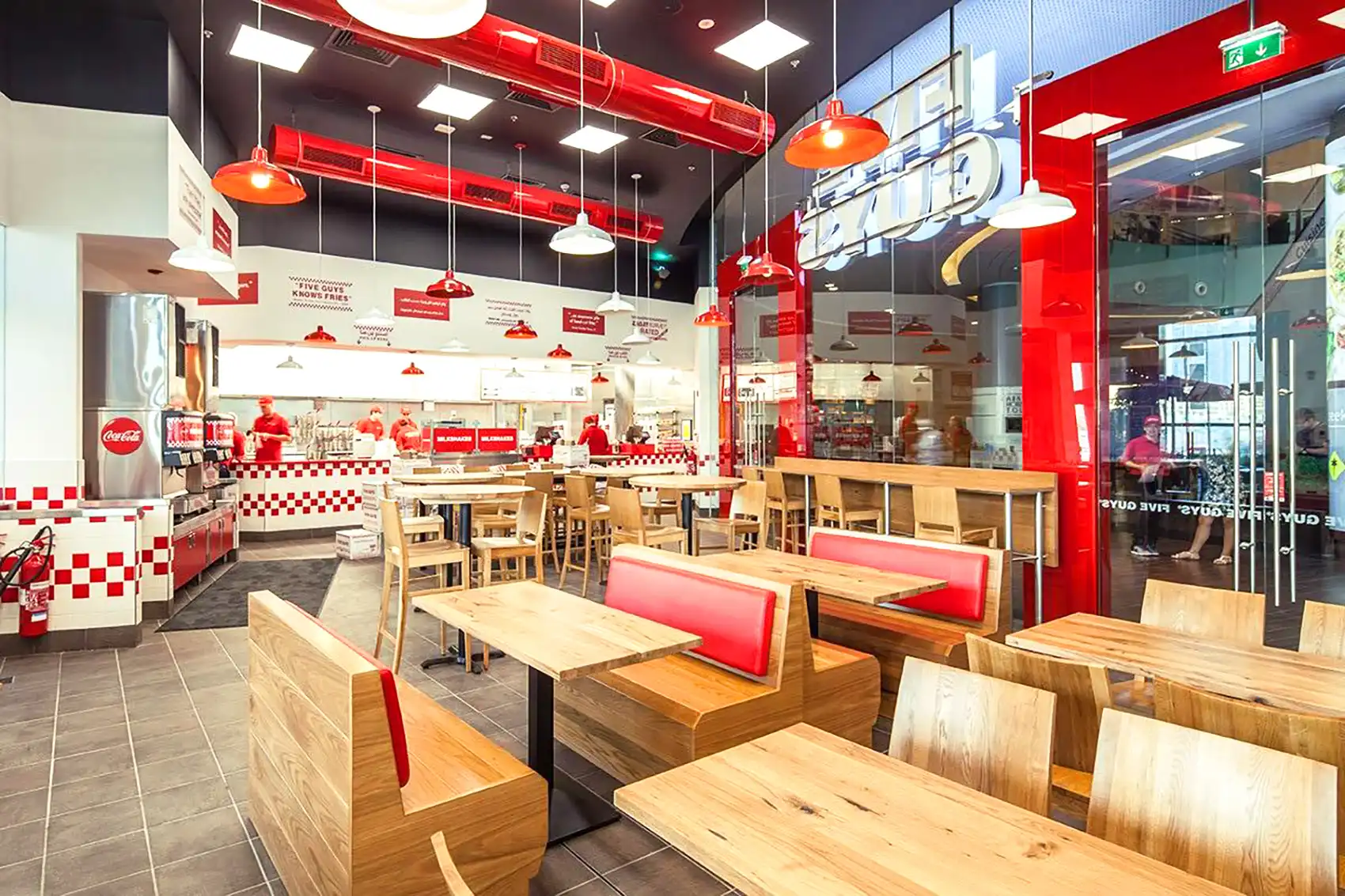
A high-energy social dining venue might use bold textures, statement lighting, and open-kitchen theatre.
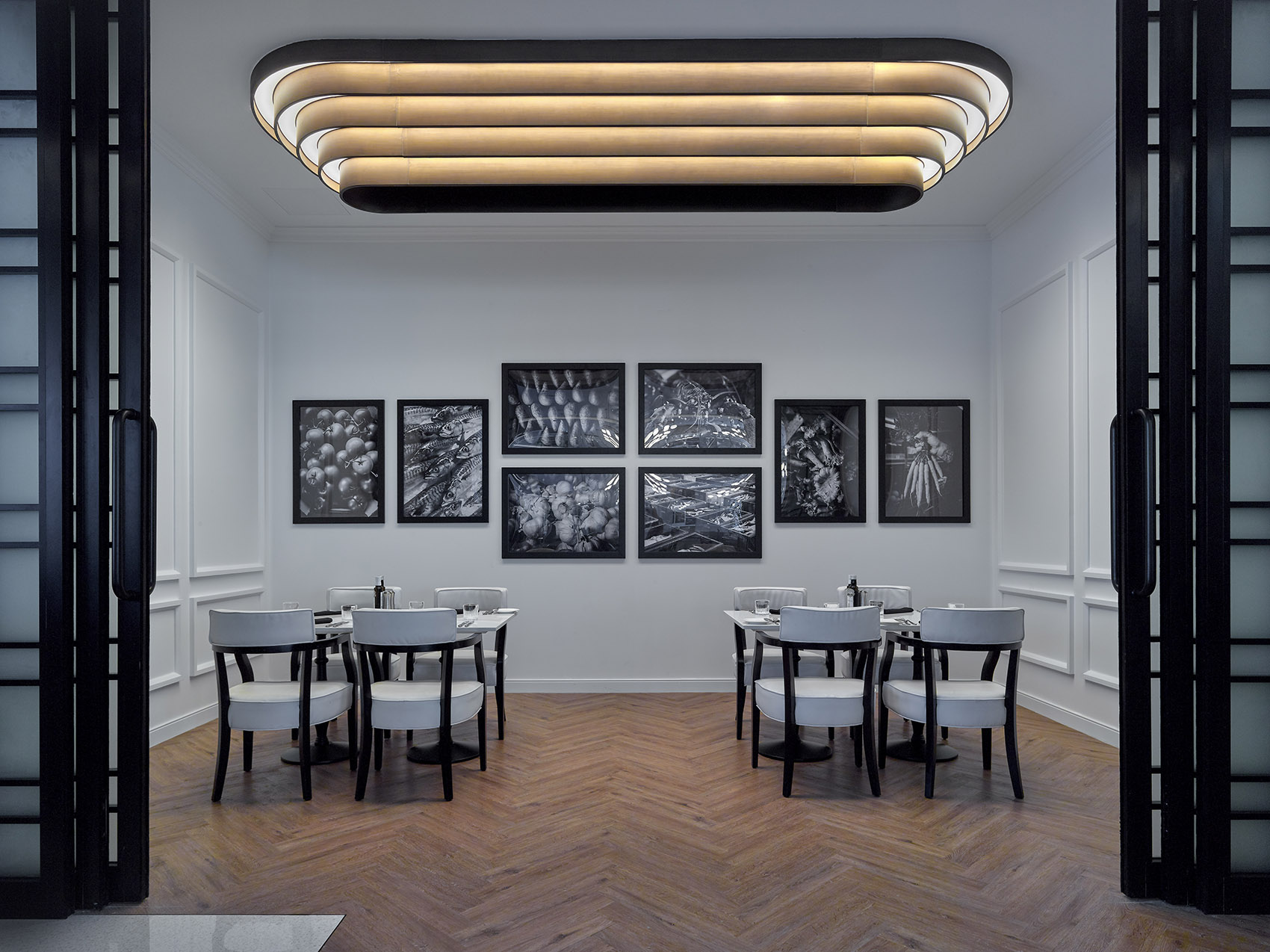
A fine dining restaurant may focus on acoustics, privacy, and subtle luxury.
The design should tell a story that aligns with your brand narrative and leaves guests wanting to return, and more importantly, to share it.
How Are You Going to Market the Restaurant?
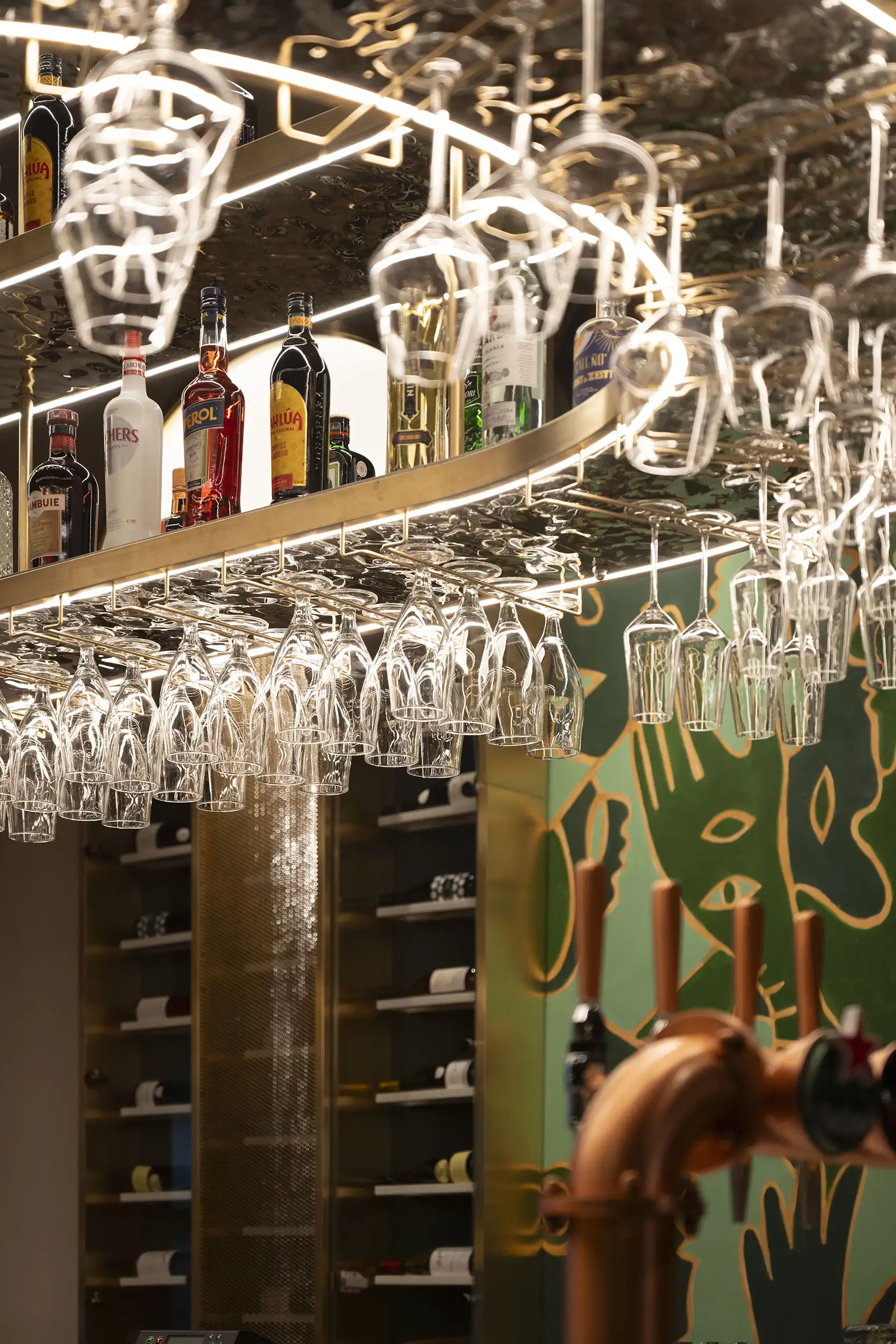
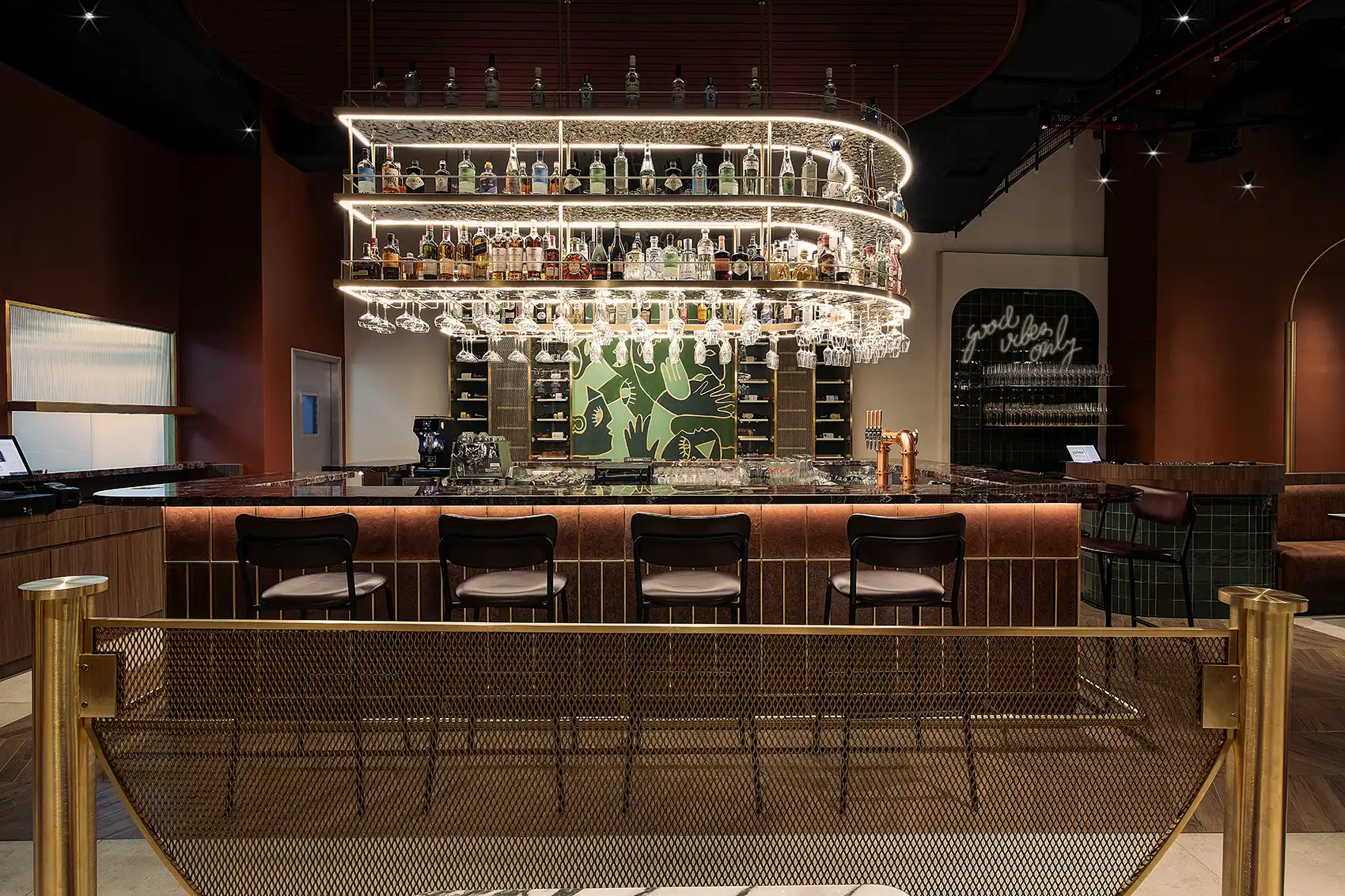
Design and marketing are inseparable. Your restaurant design should support your brand’s visual identity and help your space photograph beautifully, because in today’s market, social media is often the new word of mouth (sadly, but even us designers need to get with the times)
Our design specialists consider:
Camera-ready moments: What spaces encourage people to take photos?
Brand cohesion: Does the physical space reflect your online brand and tone of voice?
Lighting design: Does the lighting make the food look as good as it tastes?
Your restaurant isn’t just a dining experience, it’s a marketing asset. Honestly, just check out Kaprica on Instagram to see what I mean.
Operational Standards
Finally, the most beautiful design will fail if it doesn’t function operationally. Flow, ergonomics, staff routes, and service zones are critical.
Our restaurant interior design specialists work closely with chefs, managers, and operators to ensure the layout supports productivity and safety. Efficient design means faster service, reduced waste, and happier teams, all of which directly improve profitability.
Final Thoughts
Every successful restaurant begins with a vision that balances design, operations, and experience. Whether you’re launching a casual dining concept or a flagship fine-dining destination, our restaurant interior design specialists ensure your concept is commercially sound, operationally efficient, and visually unforgettable.
If you’re planning a new restaurant in Dubai, Saudi Arabia, or beyond, get in touch with FINCH to start your design journey.